



Don't Panic
Don't Panic
Dr Zhou’s Acupuncture, Pain Management and Natural Wellness Clinic locations:
Person-to-person spread
From wild animal
From many objects
COVID-19 Special Announcement:
As an essential business and per client request, Dr. Zhou’s Acupuncture Pain and Wellness Clinic resumes our normal schedule in Madison and Milwaukee locations. Clients health, well-being and safety is number one at our clinic.
Dr. Zhou and our Staff are taking every precaution to ensure your safety. We have taken every step and initiated new procedures at check-in to make sure that every client is safe at our healing facility. We require ALL clients and staff to wear a face cover or mask while on site. We also established a new policy to ensure there is only 1 client in the waiting area at a time. After every patient, we disinfect and sanitize all frequently used surfaces in treatment rooms and public areas at the clinic.
If you want to schedule an appointment, please call us or schedule online and states all details of your conditions. We will ensure the safety and quality of your treatment!
Acupuncture for Post COVID-19 Recovery service
Our goal is to help you recover from the continuing effects of COVID-19 by using Neuro Acupuncture technique in combination with herbal medicine.
Learn More
Madison and Milwaukee’s Premier Acupuncture and Wellness Center for over 20 years.
Now accepting FSA (Flexible Spending account), HSA (Health Saving account), VA authorization vouchers, Dean Health and some insurance!
Dr. Xiping Zhou, MDOM, CMT, L.Ac, is an expert in traditional Chinese medical acupuncture who brings to the table (literally) more than a quarter-century of experience in the Chinese healing arts as a practitioner and a teacher of acupuncture, TaiChi, QiGong, and learn more about Dr.Zhou in the news.
He is specializing in pain management, women’s health, Body-Mind integration and stroke rehabilitation at our 3 locations in Madison, Milwaukee and Roseville.
Dr. Zhou creates a wellness plan for each patient that not only treats disease and illness, but one that also allows the patient to embrace health and wellness in their life.
Dr. Zhou imparts his vast knowledge of health and wellness to each patient, giving them tools to become their own health and wellness advocate.
Dr. Zhou combines modern acupuncture, herbal medicine and medical manual therapy to help his clients achieve maximum physical and medical wellness in all areas of their life.
Satisfied Clients
Total Death
Total Recovered

Acupuncture for Post COVID-19 Recovery service
Our goal is to help you recover from the continuing effects of COVID-19 by using Neuro Acupuncture technique in combination with herbal medicine.
Learn More
ACUPUNCTURE FAQS
How quickly does acupuncture work?
Acupuncture is a holistic approach to healing and health, so it’s difficult to predict how quickly it will work for any individual. Generally speaking, this ancient technique works by stimulating the body’s natural healing processes and restoring balance.
Is acupuncture painful?
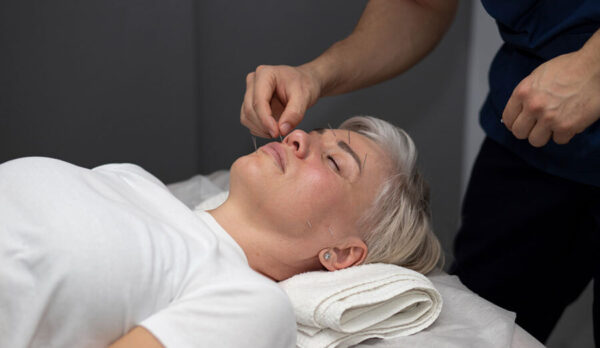
This treatment is generally not painful. Most people feel minimal to no pain when needles are inserted, and some even find it to be a pleasant sensation.
ACUPUNCTURE NEEDLES
These are very thin and don’t cause any tissue damage when inserted into the skin. This means that the sensation is usually just a dull ache or tingling feeling, rather than sharp pain.
After the initial insertion, many people report feeling relaxed and at ease during their treatment session.
Acupuncture can be combined with other treatments or used as a stand-alone therapy to improve overall health and wellbeing.
LEARN ABOUT ACUPUNCTURE BENEFITS
The benefits of acupuncture are numerous, ranging from reducing pain and inflammation to improving mood and promoting relaxation. Studies have shown that the treatment can be effective in treating chronic pain, headaches, menstrual cramps, allergies, depression, anxiety, and even some forms of cancer.
It can also help with digestive issues such as nausea and indigestion.
Learn more about what does acupuncture treat
Person-to-person spread
From wild animal
From many objects
Free Online Consultation with Dr.Zhou
Dr. Zhou’s Acupuncture and Pain Management Clinic offers free online consultations.
Contact our clinic today to begin your journey to health and wellness.
There have some Symptoms of Corona
Fever
The Centers for Disease considers a person to have a fever measured temperature at least 100.4 °F [38 °C]
Read moreCoughing And Sneezing
This means you’ve started coughing repeatedly. As this is viral pneumonia, antibiotics are of no use.
Read moreEmergency warning:
- Trouble breathing
- Persistent pain or pressure in the chest
- New confusion or inability to arouse
- Bluish lips or face
We have to maintain some rules to prevent COVID-19
What should do?
Avoid Crowd
Boil Properly
Cover cough & sneeze
Wash your hand
What shouldn’t do?
Hand Shake
Touching surface
Don’t touch
Avoid contact animals
To prevent infection we have to maintain some rules.
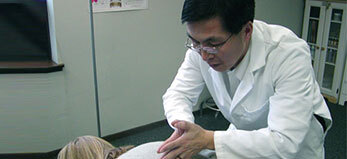
Dr. XiPing Zhou, M.D.O.M., L.A.c
Dr. XiPing Zhou, MDOM, L.Ac., practise acupuncture in Madison, Wisconsin, for over 30 years, offering a broad range of alternative solutions for all health and pain related issues.
He is well-known and respected in the community for his dedication to providing quality care and his commitment to helping patients achieve their health goals. He also emphasizes preventative care in order to help patients maintain optimal health and avoid future illnesses or injuries.
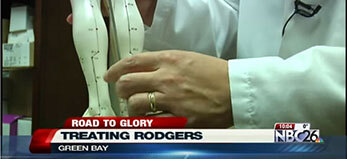
Rodgers Gets Acupuncture for Calf
Green Bay Packers Quarterback Aaron Rodgers says there’s a little more to treating his injured calf than just some stretches. This is a great example of how athletes are turning to alternative therapies to help them heal and stay healthy.
Acupuncture has become increasingly popular among athletes because it can help reduce pain and inflammation without the use of drugs or surgery. It also helps improve circulation, which can speed up healing time. In addition, this ancient treatment can help regulate hormones and boost the immune system, helping athletes stay in peak condition.
Watch the video.
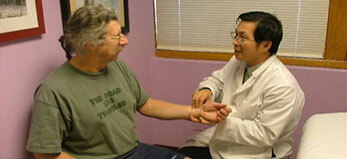
LEARN ABOUT ACUPUNCTURE BENEFITS
An informational video about Dr. Xiping Zhou’s acupuncture clinic in Madison Wisconsin. At the clinic locations, patients can expect personalized care tailored to their individual needs.
Dr. Zhou takes time to understand each patient’s health history and current condition before creating a customized treatment plan that will best address their concerns. He also uses only the highest quality needles and other tools, ensuring that all treatments are safe and effective.
Watch the video.
Acupuncture for Post COVID-19 Recovery service
Our goal is to help you recover from the continuing effects of COVID-19 by using Neuro Acupuncture technique in combination with herbal medicine.
Learn More
ACUPUNCTURE FAQS
How quickly does acupuncture work?
Acupuncture is a holistic approach to healing and health, so it’s difficult to predict how quickly it will work for any individual. Generally speaking, this ancient technique works by stimulating the body’s natural healing processes and restoring balance.
Is acupuncture painful?
This treatment is generally not painful. Most people feel minimal to no pain when needles are inserted, and some even find it to be a pleasant sensation.
ACUPUNCTURE NEEDLES
These are very thin and don’t cause any tissue damage when inserted into the skin. This means that the sensation is usually just a dull ache or tingling feeling, rather than sharp pain.
After the initial insertion, many people report feeling relaxed and at ease during their treatment session.
Acupuncture can be combined with other treatments or used as a stand-alone therapy to improve overall health and wellbeing.
LEARN ABOUT ACUPUNCTURE BENEFITS
The benefits of acupuncture are numerous, ranging from reducing pain and inflammation to improving mood and promoting relaxation. Studies have shown that the treatment can be effective in treating chronic pain, headaches, menstrual cramps, allergies, depression, anxiety, and even some forms of cancer.
It can also help with digestive issues such as nausea and indigestion.
Learn More about what does acupuncture treat
Person-to-person spread
From wild animal
From many objects
Here have some steps to clean hands properly
Wet hands
with water
Apply soap
on hand
Rub hands
palm to palm
Fingers interlaced and back of hands
Clean thumbs
Clean fingernails
Rub wrists
Rinse hands
with water
Our super heros are fighting with Coronavirus.
Dr Xiping Zhou
Liana Venchi
Gwen Johnson
James Allen
Learn from our advice and experience in leading experts in acupuncture & herbal medicine.
If you’re curious about this ancient practice or considering trying it out for yourself, look no further than our acupuncture blog. Here you’ll find informative articles on everything from the history of acupuncture to its modern-day applications.